Uncover the Grace of Modern Roof Lanterns: Architectural Trends for 2026
In 2026, up-to-date roof lanterns are evolving architectural aesthetics. Their stylish geometric designs and tailorable features offer both efficiency and style, appealing to current sensibilities. Eco-friendly materials are now standard, focusing on sustainability alongside elegance. High-tech glazing technologies enhance natural light while providing insulation. As these elements converge, they create cozy spaces that reflect a commitment to grace and the environment. What makes these lanterns important for today’s homes?
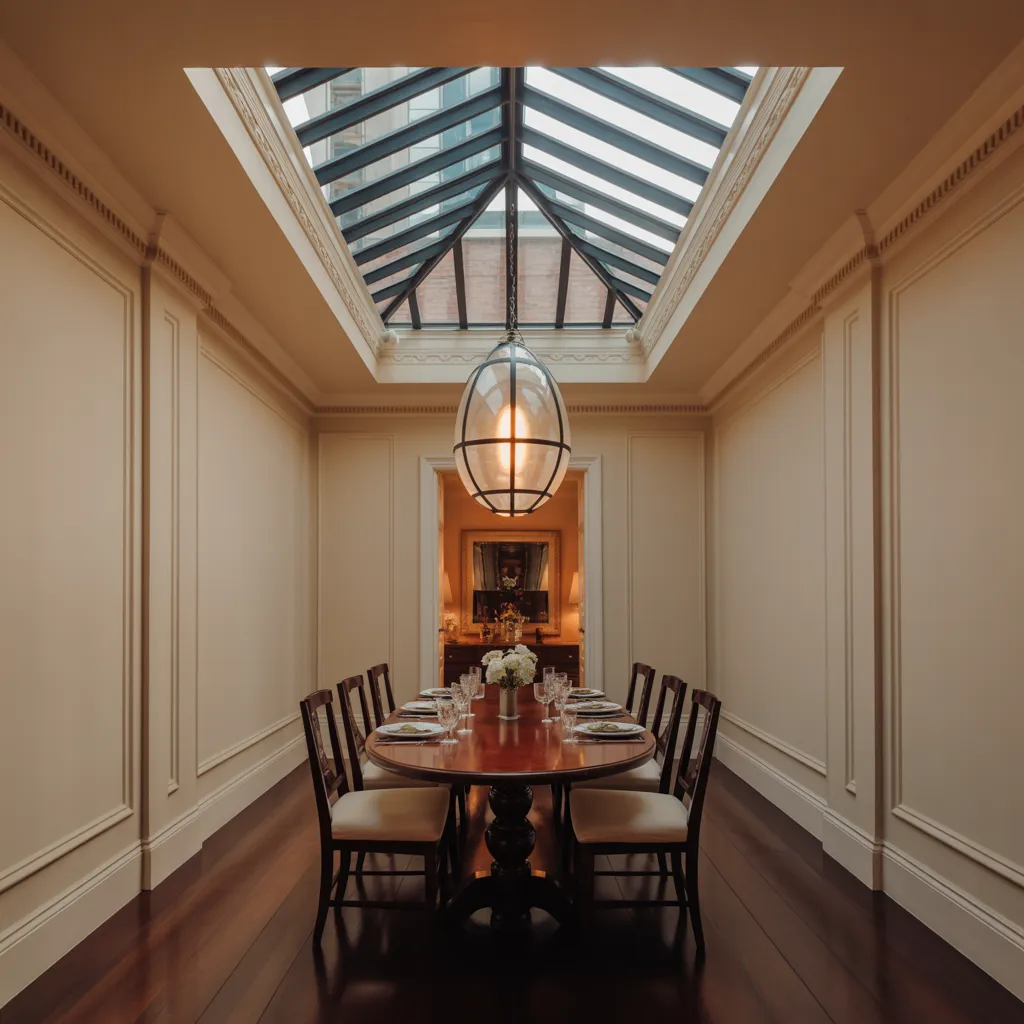
The Perks of Putting in a Up-to-date Roof Lantern
A modern roof lantern operates as a striking architectural feature that boosts both appearance and utility. By facilitating natural light to stream into a space, it markedly enhances the ambiance of interiors, establishing a bright and welcoming environment. This flow of natural light can minimize the dependence on artificial lighting, consequently fostering efficient energy use and potentially decreasing electricity bills.
Moreover, roof lanterns can help regulate indoor temperatures, enabling better ventilation and air circulation. This can lead to a more comfortable living space year-round. Their flexible styling can enhance various architectural styles, making them suitable for both contemporary and traditional homes.
Furthermore, a roof lantern can offer a distinctive centerpiece, drawing attention and adding aesthetic appeal to any room. Overall, the addition of a contemporary skylight not only enhances the aesthetic appeal of a home but also improves its practicality and thermal performance, making it a valuable addition.
In-Demand Roof Lantern Materials in 2026
In 2026, the choice of materials for modern roof lanterns reflects a blend of innovation and environmental responsibility. Architects and designers increasingly favor eco-friendly options, such as reclaimed aluminum and responsibly harvested wood. These materials not only minimize ecological footprint but also provide a modern appearance.
Glass remains a popular choice, with improvements in energy-saving glazing technology allowing for enhanced insulation and UV protection. This enables homeowners to enjoy natural light while minimizing energy usage.
Furthermore, helpful information engineered composites are gaining traction, combining the strength of synthetic substances with the visual appeal of natural finishes. This movement caters to both functional and aesthetic needs, ensuring longevity without compromising style.
Ultimately, the materials used for roof lanterns in 2026 highlight both performance and visual appeal, producing elegant, eco-conscious options that improve living spaces while complying with modern ecological standards.
Exceptional Roof Lantern Options to Boost Your Home Interior and Outdoor
Unique roof lantern styles provide a blend of current and heritage appearances that can greatly elevate both interiors and exteriors. Modern geometric designs provide a polished, modern look, while heritage Victorian characteristics add a touch of elegance and charm. Exploring these separate designs permits homeowners to enhance their spaces with remarkable structural features.
Contemporary Geometric Patterns
Contemporary angular designs in rooflights offer a impressive blend of functionality and visual beauty. These innovative structures often display crisp edges, geometric forms, and streamlined structures that establish a modern look while optimizing natural light. By incorporating components such as glass and metal, designers provide a sleek, sophisticated finish that coordinates with various architectural styles. The interplay of light and shadow through these angular elements strengthens both indoor and outdoor spaces, creating visually engaging environments. In addition, flexible choices allow homeowners to pick sizes and shapes that fit their individual requirements, making certain that each lantern acts as a singular standout feature. Ultimately, modern geometric roof lanterns uplift spaces with their stylish designs and practical benefits.

Refined Victorian Influences
While contemporary styles rule the market, classic Victorian influences in roof lanterns continue to captivate homeowners seeking to improve their interiors and outside areas. Defined by detailed detailing, ornate frames, and refined glasswork, these lanterns exude a sense of timeless charm. The use of wrought iron and stained glass is common, reflecting the craftsmanship of the Victorian era. Homeowners appreciate how these styles create a striking focal point while allowing natural light to flood spaces. In both traditional and contemporary environments, Victorian-style lanterns effortlessly blend history with modernity, offering a distinctive aesthetic that complements varied architectural styles. As the design landscape evolves, the enduring appeal of classic Victorian influences remains a significant trend in roof lantern choices.
Deciding on the ideal Roof Lantern for Your Abode?
When opting for the perfect roof lantern for a home, homeowners should weigh both aesthetic appeal and operational advantages. The design should suit the building design of the property, whether it be contemporary, traditional, or somewhere in between. Size is another critical factor; the lantern should proportionally adapt to the space to improve natural light without swamping the room.
Material choices, such as aluminum or wood, can also shape the overall look and longevity of the lantern. Homeowners should evaluate the type of glazing, as options like double or triple glazing can enhance thermal insulation and energy efficiency. Additionally, color and finish should align with existing decor to create a cohesive appearance.
Practical considerations, such as simplicity of upkeep and installation requirements, are equally important. Ultimately, a well-chosen roof lantern can enhance a home's interior while delivering enduring performance and aesthetic appeal.
Environmentally conscious Roof Lantern Integration
Adopting sustainable practices in roof lantern design provides homeowners an opportunity to strengthen both aesthetics and environmental responsibility. Modern roof lanterns can be created from eco-friendly materials including reclaimed wood and recycled aluminum, minimizing the environmental burden connected with production. Moreover, designers are increasingly prioritizing energy-efficient glazing that enhances natural light while minimizing heat loss, resulting in lower energy bills.
Furthermore, incorporating solar panels into roof lantern configurations enables for harnessing renewable energy, additionally advancing sustainability. The use of low-VOC paints and finishes ensures healthier indoor air quality, supporting eco-conscious living.
An spotlight on environmental responsibility not only elevates the visual appeal of a home but also reflects a growing trend towards environmentally-friendly living. As homeowners champion sustainability, roof lanterns that embody these principles will prevail as both aesthetically pleasing and responsible investments.
Hassle-free Upkeep Tips for Your Roof Lantern
Routine upkeep is essential for maintaining the aesthetic appeal and functionality of roof lanterns. To guarantee ideal performance, it is recommended to clean the glass surfaces regularly using a gentle material and a gentle cleanser. This prevents the accumulation of dirt and grime that can obstruct natural light. Additionally, inspecting the weatherstripping for deterioration is important; replacing them quickly can avoid leaks and maintain energy efficiency.
Examining the frame and supporting structure for oxidation and deterioration will help maintain longevity. If metal components exhibit deterioration, using a preventive sealant can prolong their service life. In addition, during seasonal changes, it is prudent to remove accumulation of leaves or snow that may gather on the lantern.
Frequently Inquired Questions
What Are the Average Prices of Contemporary Roof Lanterns in 2026?
In 2026, the average costs of modern roof lanterns range from $1,500 to $5,000, determined by elements like size, materials, and architectural intricacy, demonstrating the changing patterns in home architecture and aesthetics.
How Do Roof Lanterns Change Energy Efficiency in a Home?
Roof lanterns enhance home energy efficiency by amplifying natural light, minimizing reliance on artificial lighting. Their design can improve ventilation, allowing for better temperature regulation, ultimately contributing to lower energy consumption and more sustainable living environments.
Can skylights Be installed on existing Roofs?
Roof lanterns could be installed on present roofs, provided structural integrity is reviewed. Professional fitting assures conformity with the current roofing system and optimizes natural light while boosting architectural beauty and energy efficiency in the home.
How Extended Is the Lifespan of a Current Roof Lantern?
A modern roof lantern's service life usually lasts between 20 to 30 years, contingent upon the materials used, care practices, and exposure to environmental factors. Regular upkeep can boost its durability and efficiency over time.
Are roof lanterns appropriate for various weather conditions?
Roof lanterns can prove fitting for diverse climates, if they are properly designed and installed. Thermal insulation, materials, and water drainage considerations are essential to guarantee performance and durability in both high temperatures and cold environments.